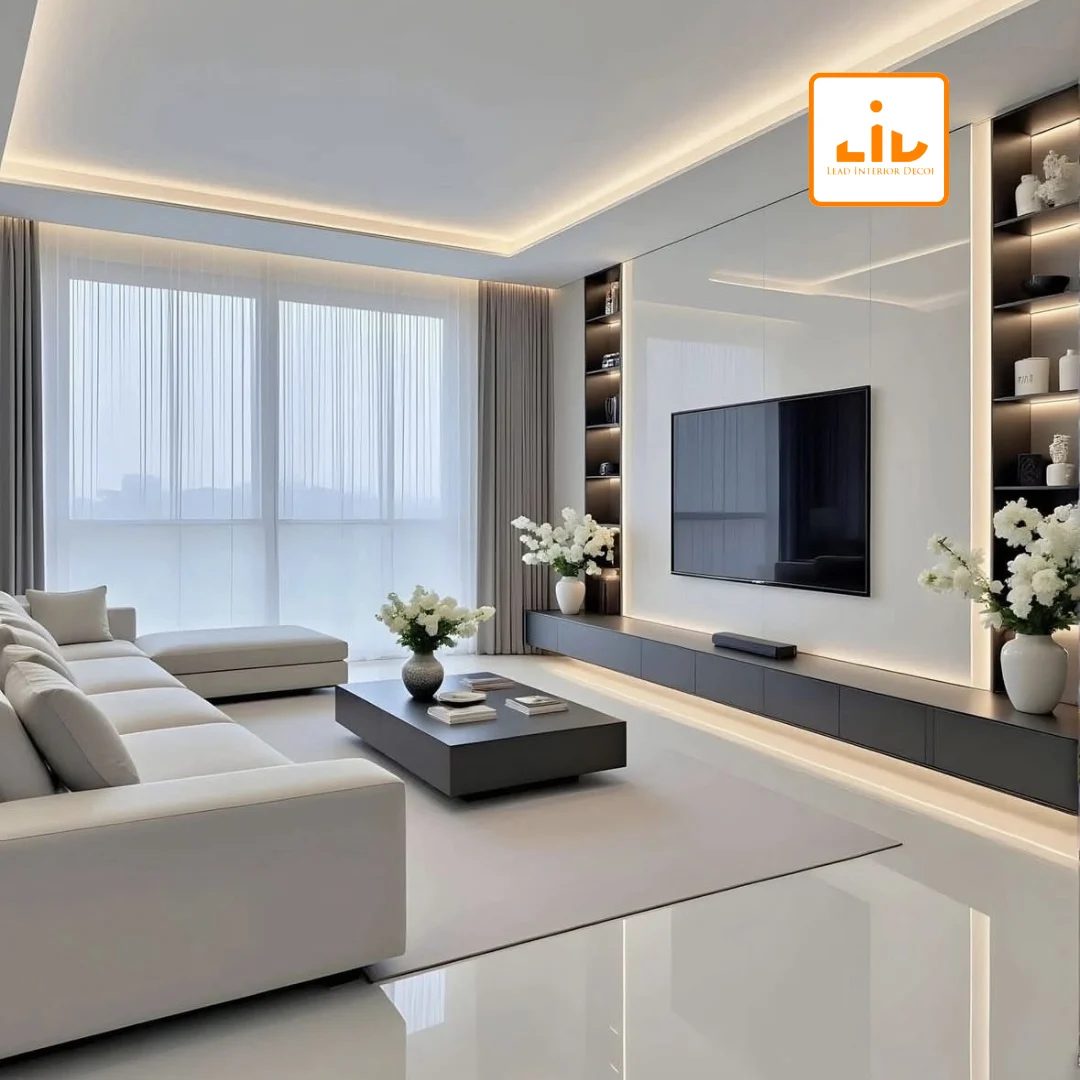
Living or working in a compact environment doesn’t have to feel restrictive. With thoughtful design choices, strategic planning, and a bit of creativity, you can transform even the tightest areas into open, breathable, and functional spaces. The concept of making small spaces larger goes beyond physical expansion, it’s about visual perception, smart organization, and maximizing every inch available. Whether you’re dealing with a studio apartment, a small office, or a compact room, the right techniques can significantly improve both comfort and aesthetics.
Use Light Colors to Open Up the Space
One of the most effective principles in making small spaces larger is the use of light and neutral color palettes. Shades like white, cream, soft grey, and pastels reflect natural light, creating an airy and expansive feel. Dark colors tend to absorb light, making rooms appear smaller and more enclosed. Painting walls, ceilings, and even furniture in lighter tones helps eliminate visual boundaries, giving the illusion of a continuous and open environment.
Maximize Natural and Artificial Lighting
Lighting plays a critical role in making small spaces larger because it directly influences how spacious a room feels. Natural light should be prioritized by keeping windows unobstructed and using sheer curtains instead of heavy drapes. Additionally, layering artificial lighting—such as ambient, task, and accent lighting—helps eliminate shadows and dark corners. Well-lit spaces naturally appear more open and inviting.
Incorporate Mirrors Strategically
Mirrors are a powerful visual tool when it comes to making small spaces larger. By reflecting light and surrounding elements, mirrors create depth and give the impression of extended space. Placing a large mirror opposite a window can double the effect of natural light, while mirrored furniture or wall panels can subtly enhance spatial perception without overwhelming the design.
Choose Multi-Functional Furniture
Efficiency is key in making small spaces larger, and multi-functional furniture is a practical solution. Items such as sofa beds, foldable tables, ottomans with storage, and wall-mounted desks serve multiple purposes without occupying extra space. This approach reduces clutter while maintaining functionality, which is essential for creating a more open and organized environment.
Declutter and Optimize Storage
A cluttered space instantly feels smaller, which is why decluttering is fundamental to making small spaces larger. Adopting smart storage solutions like vertical shelving, under-bed storage, and built-in cabinets helps keep items out of sight. Minimalism plays a significant role here—keeping only what is necessary ensures that the space remains clean, breathable, and visually appealing.
Use Vertical Space Effectively
When floor space is limited, the key to making small spaces larger lies in utilizing vertical dimensions. Tall shelves, hanging storage units, and wall-mounted fixtures draw the eye upward, creating the illusion of height. This not only maximizes storage but also shifts focus away from limited floor area, making the room feel more expansive.
Maintain Visual Continuity
Consistency in design elements is crucial for making small spaces larger because it prevents visual fragmentation. Using the same flooring throughout, maintaining a cohesive color scheme, and avoiding abrupt transitions between areas help create a seamless flow. Open-plan layouts and uninterrupted sightlines contribute significantly to a more spacious feel.
Scale Furniture Appropriately
Oversized furniture can overwhelm a room, which is why proper scaling is essential in making small spaces larger. Opt for sleek, compact furniture with clean lines instead of bulky pieces. Furniture with exposed legs can also create a sense of openness by allowing light to pass underneath, enhancing the perception of space.
Add Transparent and Reflective Elements
Glass, acrylic, and metallic finishes are excellent materials for making small spaces larger because they reduce visual weight. Transparent furniture, such as glass tables or acrylic chairs, allows light to pass through, making the room feel less crowded. Reflective surfaces also contribute by bouncing light around the space, enhancing brightness and openness.
Create Zones Without Walls
Dividing a small space without closing it off is a smart technique in making small spaces larger. Instead of using solid walls, consider rugs, furniture placement, or open shelving to define different areas. This maintains functionality while preserving an open layout, ensuring that the space doesn’t feel boxed in.
Leverage Technology and Smart Design
Can artificial intelligence help in making small spaces larger by analyzing layout efficiency and suggesting optimized furniture placement? The answer is increasingly yes. Modern design tools powered by AI can simulate spatial arrangements, recommend color palettes, and even predict how light interacts with a room. Integrating smart home solutions, such as automated lighting and space-saving devices, further enhances both usability and perception of space.
Conclusion
Transforming a compact environment into a visually spacious and functional area is entirely achievable with the right approach. From strategic lighting and color choices to smart furniture and innovative technology, every decision contributes to the overall perception of space. The principles of making small spaces larger are rooted in simplicity, efficiency, and thoughtful design execution. If you’re looking to professionally optimize your home or workspace, consider reaching out to Lead Interior for expert guidance and tailored solutions that bring your vision to life.
