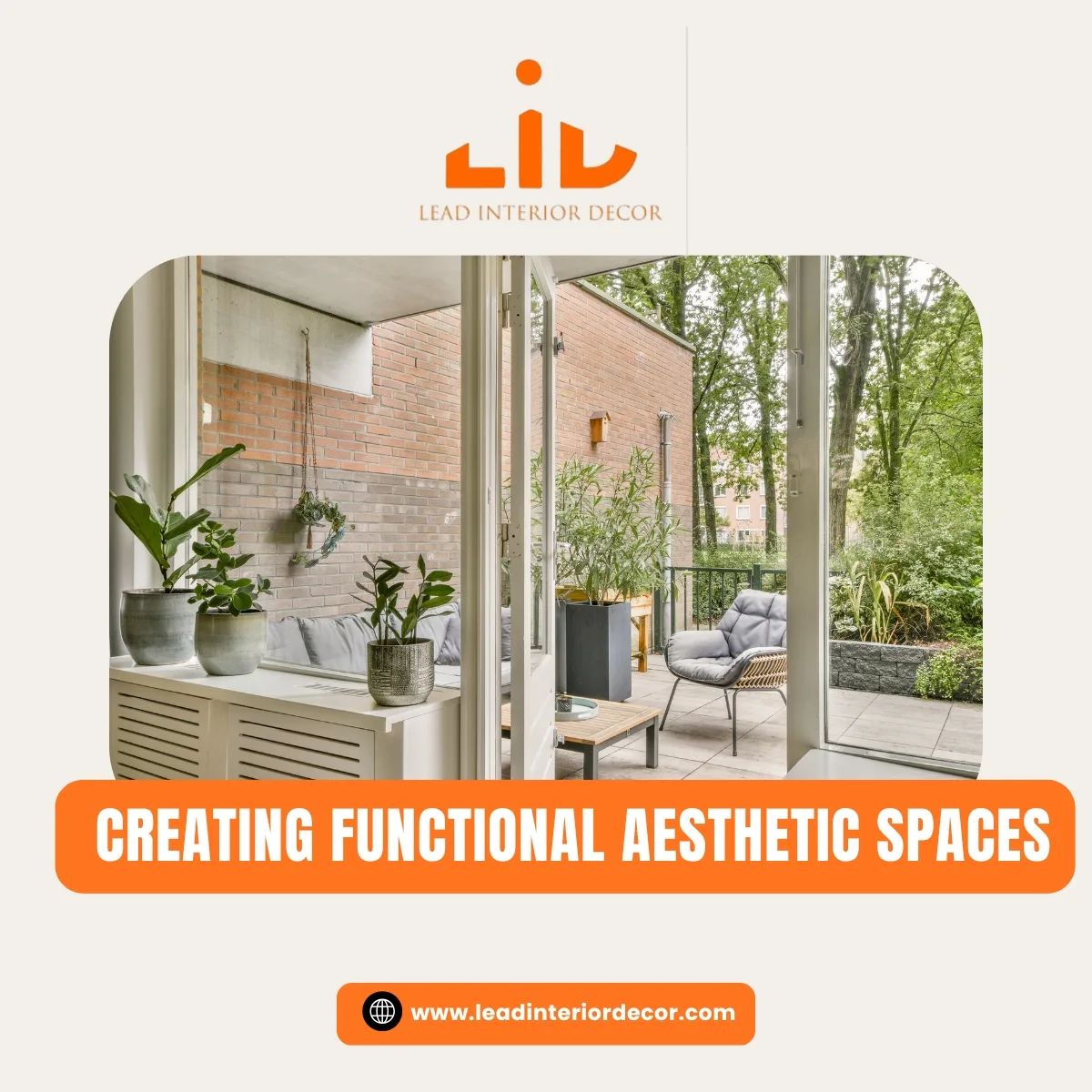
Designing a beautiful interior is no longer just about adding stylish furniture or choosing trendy colors. Today, homeowners, businesses, and property developers want environments that are visually appealing while also practical for everyday living. This balance between usability and beauty is what makes interior design truly effective. The process of creating functional aesthetic spaces requires strategic planning, creativity, technical understanding, and attention to human behavior.
Professional designers understand that a successful space should improve comfort, productivity, and emotional well-being while still reflecting the client’s personality and lifestyle. Whether it is a modern apartment, corporate office, luxury hotel, or retail store, every design decision must support both form and function. Interestingly, artificial intelligence is also beginning to influence the design industry by helping professionals visualize concepts faster and predict user preferences more accurately.
Purpose of the Space
Before any design work begins, interior designers first study how the space will be used. A family home has different needs compared to a commercial office or restaurant. Understanding the activities that will take place in a room helps designers make smarter decisions regarding layout, furniture placement, lighting, and storage solutions.
In the process of creating functional aesthetic spaces, functionality always starts with the user experience. Designers ask questions such as:
- How many people will use the space?
- What daily activities happen there?
- What level of comfort is required?
- Does the client need flexibility or multi-purpose areas?
For example, a living room may need enough seating for entertaining guests while still maintaining open movement. Similarly, an office environment must support productivity without feeling cold or uninspiring. These considerations help designers create environments that are both efficient and visually balanced.
Space Planning and Layout Optimization
One of the most important aspects of interior design is space planning. This involves arranging furniture, pathways, and architectural elements in a way that maximizes movement and usability. Even the most luxurious room can feel uncomfortable if the layout is poorly organized.
Designers often use floor plans, 3D visualization software, and measurements to determine the best arrangement. Proper spacing between furniture pieces allows easier movement, while strategic zoning helps separate activities within open-plan interiors.
When creating functional aesthetic spaces, designers focus on maintaining harmony between openness and practicality. Large rooms may require visual anchors such as rugs, lighting fixtures, or feature walls to avoid emptiness, while smaller spaces benefit from multifunctional furniture and vertical storage solutions.
A well-planned layout also contributes to safety, accessibility, and long-term convenience. This is especially important in homes with children, elderly occupants, or high foot traffic.
Choosing the Right Color Palette
Color has a major psychological impact on how people feel within a space. Designers carefully select color palettes based on mood, lighting conditions, room size, and client preferences. Neutral tones often create calm and sophistication, while vibrant colors add energy and personality.
The key is balance. Too many strong colors can overwhelm a room, while excessive neutrality may feel dull or lifeless. Designers combine primary, secondary, and accent colors to create depth and visual interest.
In creating functional aesthetic spaces, colors are also used strategically to influence perception. Light shades can make small rooms appear larger, while darker tones add warmth and intimacy to spacious environments. Designers also consider how natural and artificial lighting will affect colors throughout the day.
Modern AI-powered design tools now allow professionals to test multiple color combinations digitally before implementation, reducing costly mistakes and improving client satisfaction.
Selecting Furniture That Combines Comfort and Style
Furniture plays a critical role in defining both the functionality and personality of a room. Designers carefully evaluate furniture dimensions, materials, ergonomics, and durability before making selections.
Aesthetic appeal alone is not enough. Sofas must provide comfort, dining chairs should support posture, and office furniture needs to improve productivity. Designers also ensure furniture proportions match the scale of the room to avoid overcrowding or imbalance.
While creating functional aesthetic spaces, professionals often prioritize quality over quantity. A few carefully selected pieces can create a more refined and practical environment than excessive decoration. Multifunctional furniture has also become increasingly popular, especially in urban apartments where space is limited.
Examples include:
- Storage beds
- Extendable dining tables
- Foldable desks
- Modular seating systems
These solutions help maximize usability without sacrificing visual appeal.
Lighting as a Design Element
Lighting is one of the most powerful tools in interior design. It affects mood, visibility, comfort, and the overall atmosphere of a space. Designers typically combine three types of lighting:
- Ambient lighting
- Task lighting
- Accent lighting
Ambient lighting provides general illumination, task lighting supports activities like reading or cooking, while accent lighting highlights architectural features or decorative elements.
During the process of creating functional aesthetic spaces, designers use lighting to enhance textures, emphasize focal points, and create emotional depth. Natural light is also highly valued because it improves wellness, reduces energy consumption, and makes interiors feel more inviting.
Smart lighting systems powered by AI technology are becoming increasingly common in modern interiors. These systems can automatically adjust brightness and color temperature based on the time of day or user preferences.
Incorporating Texture and Materials
Texture adds dimension and personality to interior spaces. Designers combine different materials such as wood, glass, metal, marble, fabrics, and stone to create contrast and visual richness.
Soft textures like velvet cushions or rugs add warmth and comfort, while sleek materials like polished concrete or steel contribute to a modern aesthetic. The goal is to create a balanced sensory experience.
When creating functional aesthetic spaces, material selection also considers maintenance, durability, and environmental impact. For instance, high-traffic commercial spaces may require scratch-resistant surfaces, while family homes benefit from stain-resistant fabrics and durable flooring.
Sustainable materials are also becoming more important as clients increasingly prioritize environmentally responsible design practices.
Personalization and Emotional Connection
A successful interior should reflect the personality and lifestyle of its occupants. Designers incorporate artwork, décor, cultural influences, and customized features that make spaces feel unique and emotionally engaging.
Personalization transforms a generic room into a meaningful environment. This may involve:
- Family photographs
- Customized furniture
- Handmade décor pieces
- Unique architectural details
- Personal collections
In the journey of creating functional aesthetic spaces, emotional connection is just as important as physical comfort. Spaces that resonate personally with users tend to improve happiness, relaxation, and overall satisfaction.
AI-driven interior visualization tools are now helping clients preview personalized concepts before execution, making collaboration between designers and clients more efficient.
Balancing Trends with Timeless Design
Interior design trends constantly evolve, but experienced designers know the importance of balancing current styles with timeless appeal. Overly trendy interiors can quickly become outdated, leading to expensive renovations.
Instead, designers often incorporate trends through smaller, replaceable elements such as:
- Decorative accessories
- Paint colors
- Artwork
- Lighting fixtures
Core elements like flooring, cabinetry, and structural layouts are usually kept more timeless to ensure longevity.
This approach to creating functional aesthetic spaces helps clients enjoy contemporary elegance without compromising long-term value and practicality.
Conclusion
Designers create beautiful and practical interiors by combining creativity with strategic planning. Every element, from layout and lighting to furniture and textures, contributes to a balanced environment that supports both functionality and visual appeal. The growing role of AI in interior design is also helping professionals deliver smarter, faster, and more personalized solutions for clients.
Ultimately, successful interiors are not just visually impressive; they improve the way people live, work, and interact within a space. For expertly designed interiors that combine sophistication, comfort, and practicality, clients should reach out to Lead Interior for professional interior design solutions tailored to modern living.
