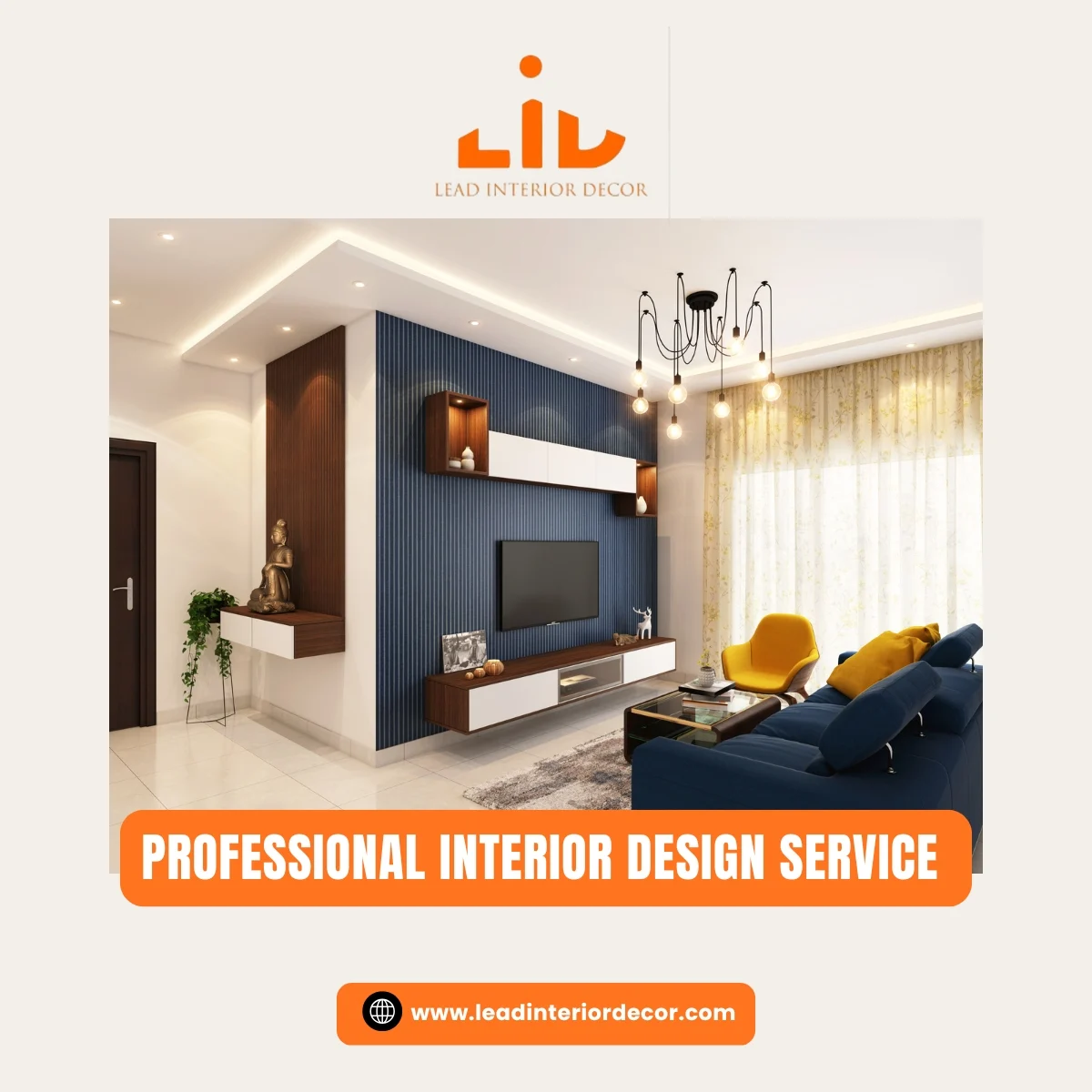
Creating a beautiful and functional space involves more than choosing attractive furniture or trendy paint colors. A well-designed home or office should reflect personality, improve comfort, maximize available space, and support everyday living. This is why hiring a professional interior design service can make a significant difference in the final outcome of any project.
Whether you are renovating a home, furnishing a new apartment, upgrading a commercial office, or redesigning a hospitality space, selecting the right experts requires careful consideration. A reliable design team brings creativity, technical expertise, project management skills, and industry knowledge that can save both time and money. With many providers available today, understanding what qualities truly matter will help you make a confident and informed decision.
Experience and Industry Knowledge
One of the first things to evaluate in a professional interior design service is experience. Interior design is not only about aesthetics; it also involves spatial planning, lighting, color psychology, furniture arrangement, and material selection. Experienced designers understand how these elements work together to create balanced and practical environments.
A seasoned design company will typically have a portfolio showcasing completed residential and commercial projects. Reviewing previous work helps you assess whether their style aligns with your vision. Experienced professionals are also more likely to anticipate challenges early, reducing costly mistakes during implementation.
In addition, industry knowledge plays an important role in sourcing quality materials, understanding construction standards, and keeping up with evolving design trends. Designers with strong technical expertise can recommend durable finishes, energy-efficient solutions, and smart layouts that improve long-term functionality.
Clear Communication and Understanding of Client Needs
Strong communication is another essential quality to look for in a professional interior design service. Every client has unique preferences, lifestyles, and expectations. A good designer listens carefully before proposing concepts or solutions.
During consultations, pay attention to how well the team understands your goals, budget, timeline, and design preferences. Effective communication ensures that your ideas are translated accurately into the final design. Designers should also provide clear explanations about project stages, material options, estimated costs, and timelines.
Transparency helps prevent misunderstandings and creates trust throughout the project. When clients feel heard and involved, the collaboration becomes smoother and more productive.
Creativity and Personalization
A highly effective professional interior design service should offer creativity while still maintaining functionality. Many people assume interior design is simply about following trends, but truly exceptional designers create spaces tailored to the client’s lifestyle and identity.
Personalization matters because every space serves different purposes. A family home requires warmth and practicality, while a corporate office may focus on productivity and professionalism. Skilled designers know how to blend colors, textures, lighting, and furnishings to achieve a cohesive and unique atmosphere.
Creativity also involves problem-solving. Small spaces, awkward layouts, or limited budgets often require innovative thinking. Designers who can transform challenging environments into stylish and efficient spaces demonstrate real expertise.
Attention to Budget and Cost Management
Budget management is a major factor when hiring a professional interior design service. A trustworthy design company should respect financial limits while still delivering quality results. Instead of pushing unnecessary luxury items, good designers prioritize value and functionality.
Before committing to a project, clients should request detailed quotations outlining design fees, furniture costs, material expenses, and labor charges. Clear pricing structures reduce the likelihood of unexpected expenses later.
For example, a small apartment redesign may cost between $2,000 and $10,000 depending on scope, while luxury residential projects can exceed $50,000. Commercial projects may require even larger investments due to specialized furniture, lighting systems, and branding considerations.
Professional designers often help clients save money by preventing expensive errors, negotiating supplier discounts, and selecting durable materials that reduce future maintenance costs.
Use of Technology and Modern Design Tools
Technology has become an important part of the modern professional interior design service industry. Many design firms now use advanced software for 3D visualization, virtual walkthroughs, and digital floor planning.
These tools allow clients to preview layouts, furniture placement, lighting effects, and color combinations before construction begins. This improves decision-making and minimizes costly revisions.
Artificial intelligence is also beginning to influence the interior design sector. AI-powered tools can analyze room dimensions, suggest layouts, recommend furniture combinations, and even predict design trends based on user preferences. Could AI eventually personalize living spaces more accurately than traditional methods alone? Many experts believe technology will continue enhancing the design process rather than replacing human creativity entirely.
Design companies that embrace innovation often deliver more efficient workflows and improved customer experiences.
Project Management and Coordination
A reliable professional interior design service should have strong project management capabilities. Interior projects usually involve multiple professionals, including architects, contractors, electricians, painters, carpenters, and furniture suppliers.
Without proper coordination, delays and miscommunication can easily occur. Experienced design firms manage timelines, supervise installations, monitor quality, and ensure all elements align with the approved concept.
Project management also includes problem resolution. Unexpected construction issues, shipping delays, or material shortages can arise during implementation. Designers who remain organized and proactive help keep the project moving smoothly despite challenges.
Clients should ask about the company’s workflow, supervision process, and estimated completion timelines before hiring.
Quality of Materials and Supplier Network
Another important factor to consider in a professional interior design service is access to high-quality materials and trusted suppliers. Interior spaces are long-term investments, so durability matters just as much as appearance.
Professional designers typically have relationships with reputable furniture manufacturers, lighting vendors, fabric suppliers, and construction professionals. This network often gives clients access to better pricing, exclusive products, and higher-quality finishes.
Quality materials improve both aesthetics and longevity. Durable flooring, reliable lighting systems, premium upholstery, and moisture-resistant finishes contribute to a space that remains attractive and functional for years.
Clients should also inquire about maintenance requirements and material warranties before making final selections.
Reviews, Reputation, and Professionalism
Reputation is a strong indicator of reliability when selecting a professional interior design service. Online reviews, client testimonials, and referrals provide valuable insight into customer satisfaction and project quality.
Look for consistent feedback regarding professionalism, punctuality, communication, creativity, and problem-solving abilities. A reputable design company should also maintain professional contracts, timelines, and documentation throughout the project.
Professionalism extends beyond design skills. It includes respecting deadlines, maintaining ethical business practices, responding promptly to inquiries, and treating clients respectfully. Companies with strong reputations are more likely to deliver dependable and satisfying results.
Conclusion
Choosing the right interior design company requires careful evaluation of experience, creativity, communication, project management, technology, budgeting, and professionalism. A dependable team can transform ordinary spaces into environments that are stylish, functional, and aligned with your personal or business goals.
Investing in a trusted design partner ensures smoother project execution, better material selection, and long-lasting results that enhance comfort and value. For clients seeking quality craftsmanship, innovative solutions, affordability, and exceptional service, they should reach out to Lead Interior for professional guidance and customized interior design solutions.
