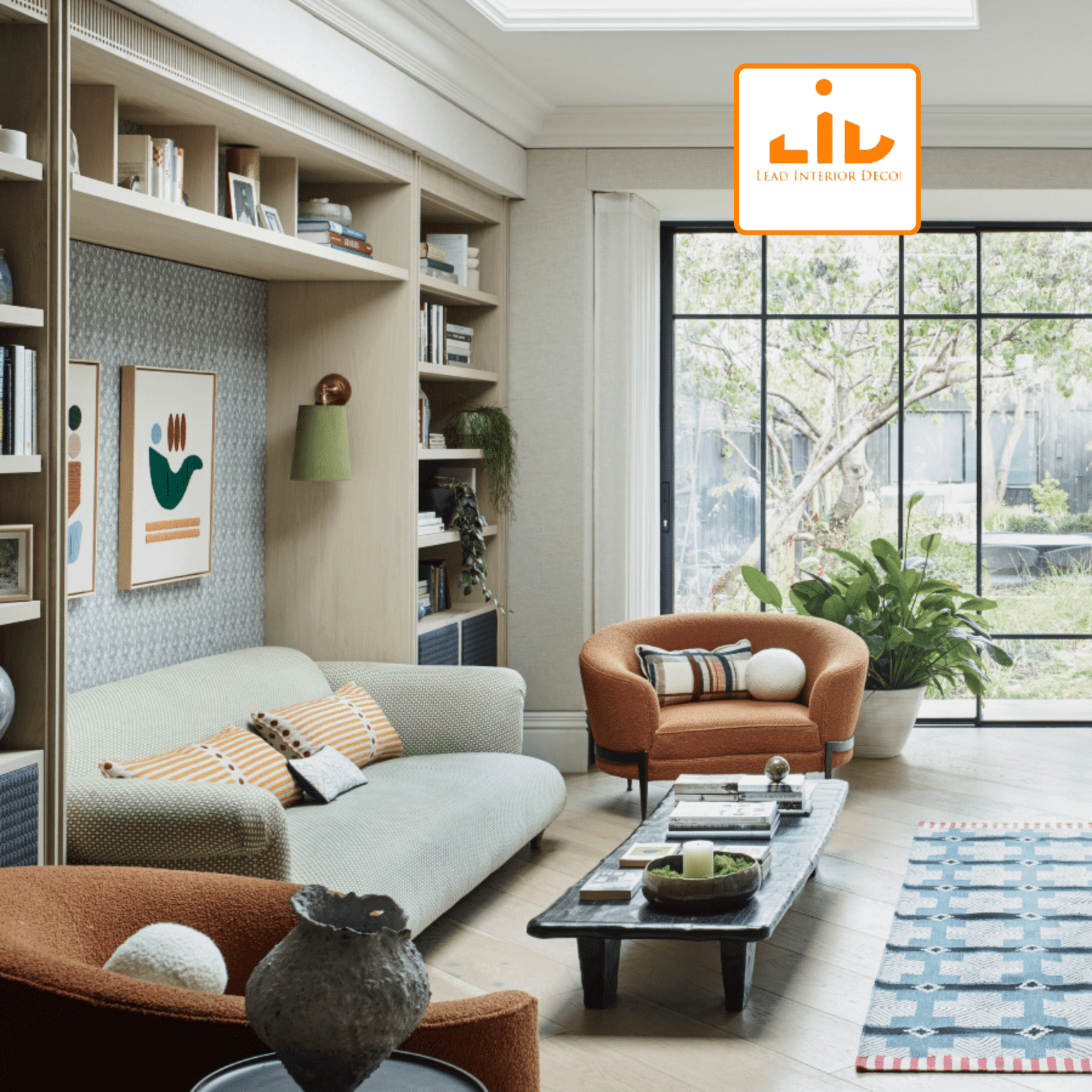
Creating a well-balanced interior is more than just placing furniture in a room; rather, it is about designing harmony between motion, comfort, and functionality. The idea of space flow furniture arrangement has a significant input on how this harmony can be achieved. When furniture placement aligns with natural movement and spatial proportion, it transforms even the smallest rooms into welcoming, efficient, and visually appealing spaces.
Understanding the Concept of Space Flow
At its very core, space flow furniture arrangement is the art of aligning your furniture to guide the movement and energy around your home or office with fluidity. It involves understanding how people move within a space and positioning furniture in a way that avoids blockages, improves functionality, and enhances visual balance. Poorly designed rooms lack in their flow, feeling cramped and cluttered, whereas rooms designed with flow in mind invite calm and effortless navigation.
The principle of flow in interior design means everything has a logical relationship. Furniture arrangement is not to be done only for aesthetic appeal; instead, it must have practical use. This goes to say that the better the furniture arrangement, the more comfortable and spacious a room feels, even without adding extra square footage.
Assessing the Room’s Purpose and Layout
Before moving any furniture, assess how the room is being used. The purpose of every space is the beginning of flow furniture arrangement. For example, a living room designed for social interaction should be open to facilitate conversation, while a study or work space calls for an arrangement that’s more directed to maintain focus.
First, establish the focal points in a room, such as a window, a TV, or a fireplace, and then complement those points with furniture. Leave enough walking paths around these zones so that traffic can move freely. The best furniture arrangement is one in which no one has to squeeze past obstacles or make any awkward moves to reach some place.
Balancing Proportion and Scale
A crucial step in achieving optimal space flow furniture arrangement is keeping the scale and proportion intact. Oversized sofas or bulky tables can overwhelm a small-sized room and obstruct the natural movement; similarly, when furniture is too small for a large space, it makes the entire space appear empty and disconnected from itself.
Strike a balance by matching furniture sizes to room dimensions. In smaller rooms, use modular or multi-functional furniture that can increase flexibility and be easily moved around. The ideal furniture arrangement creates balance in not just how it looks but in how each piece interacts with the room’s dimensions and pathways.
The Role of Focal Points and Zones
Each room should have a flow of its own. A well-designed space flow furniture arrangement makes use of focal points and zones to organize the room. For instance, the sofa set and coffee table may form one centered area of conversation in the living room, while the quiet corner by the window is reserved for the reading chair.
Dividing a large room into a number of zones enhances flow because it directs attention and activity logically. You can use rugs, lighting, or furniture groupings to define these zones. Thoughtful space-flow furniture arrangement avoids clutter and creates natural transitions from one area to another, allowing each zone to serve its function without interruption.
The best interiors do not make people go around some obstacles but instead guide them through with ease. Movement pathways are a cornerstone of space flow furniture arrangement. Ideally, at least 2 to 3 feet of walking space should be clear between any two furniture pieces for easy navigation.
Large pieces of furniture should not be directly in the line of entryways or windows. Angle or position them in such a way that the eye naturally follows the room’s flow. The smoother the traffic pattern, the more open and inviting the environment becomes. Effective space flow furniture arrangement also takes accessibility into account, with doors, drawers, and windows opening without obstruction.
Lighting and Visual Flow
While usually overlooked, lighting remains one of the important ways to achieve space flow in furniture arrangement; it helps add depth, defines the pathways, and attracts the eye toward the focal points. Layered lighting uses ambient, task, and accent lighting together to lead people intuitively through the space.
A floor lamp, for instance, can help the eye shift from one space to another because of good placement. Similarly, pendant lights over a dining area can help visually separate that zone from an adjoining living space. When combined in a thoughtful manner, lighting becomes part of the space flow furniture arrangement that can help balance aesthetics with movement.
The Minimalist Principle: Less Is More
A clutter-free room naturally improves space flow furniture arrangement. Overcrowding furniture disrupts energy and restrains movement, whereas open space invites calm and clarity. Minimalism isn’t about having empty rooms; it is about placing with intent. Each piece should serve a purpose, complement the others, and add to the overall balance of the room.
It gets easier to point out focal points and keep walkways free if there are fewer items, placed at strategic points. In this regard, it enhances both visual and physical flow. Minimalist space flow furniture arrangement also supports mental wellness in that it limits the sense of chaos and promotes focus.
Integrating Technology and AI into Modern Design
Artificial intelligence has rewritten the rules of interior design in today’s digital era. AI-driven tools analyze your room dimensions, color preferences, and lighting conditions to auto-suggest the best space-flow furniture arrangement. You just have to imagine uploading a picture of your living room and getting an optimized layout suggestion in a few seconds.
Could AI someday predict emotional comfort based on furniture positions? That’s the next frontier of smart interior design. AI-driven design assistance is more about enhancing precision than about replacing creativity to ensure your space flow furniture arrangement aligns perfectly with lifestyle and function.
Professional Help for the Perfect Arrangement
While online tools and design principles are great guides, sometimes the difference between a good and exceptional space flow furniture arrangement lies in expert insight. Professionals understand spatial psychology, aesthetic proportion, and ergonomic flow-all very important in creating functional yet stylish interiors.
But if you find yourself unable to create balance or need some help reimagining your space, reaching out to professionals like Lead Interior can make a huge difference. Their designers specialize in space flow furniture arrangement that ensures beauty and usability, making every corner of your home reflect harmony and purpose.
Conclusion
Optimal design is more than just where furniture sits; it’s about how people move and interact with, and within, the space. A thoughtfully crafted space-flow furniture arrangement turns interiors into environments of ease and inspiration. Whether for a home, office, or commercial area, the right layout enhances comfort, productivity, and aesthetics. For a custom and professional approach to furniture arrangement, contact Lead Interior today. Their expert designers can analyze your space, apply intelligent design strategies, and make sure every room flows naturally and beautifully. Allow Lead Interior to help you unlock your space’s full potential, where design meets flow effortlessly.
