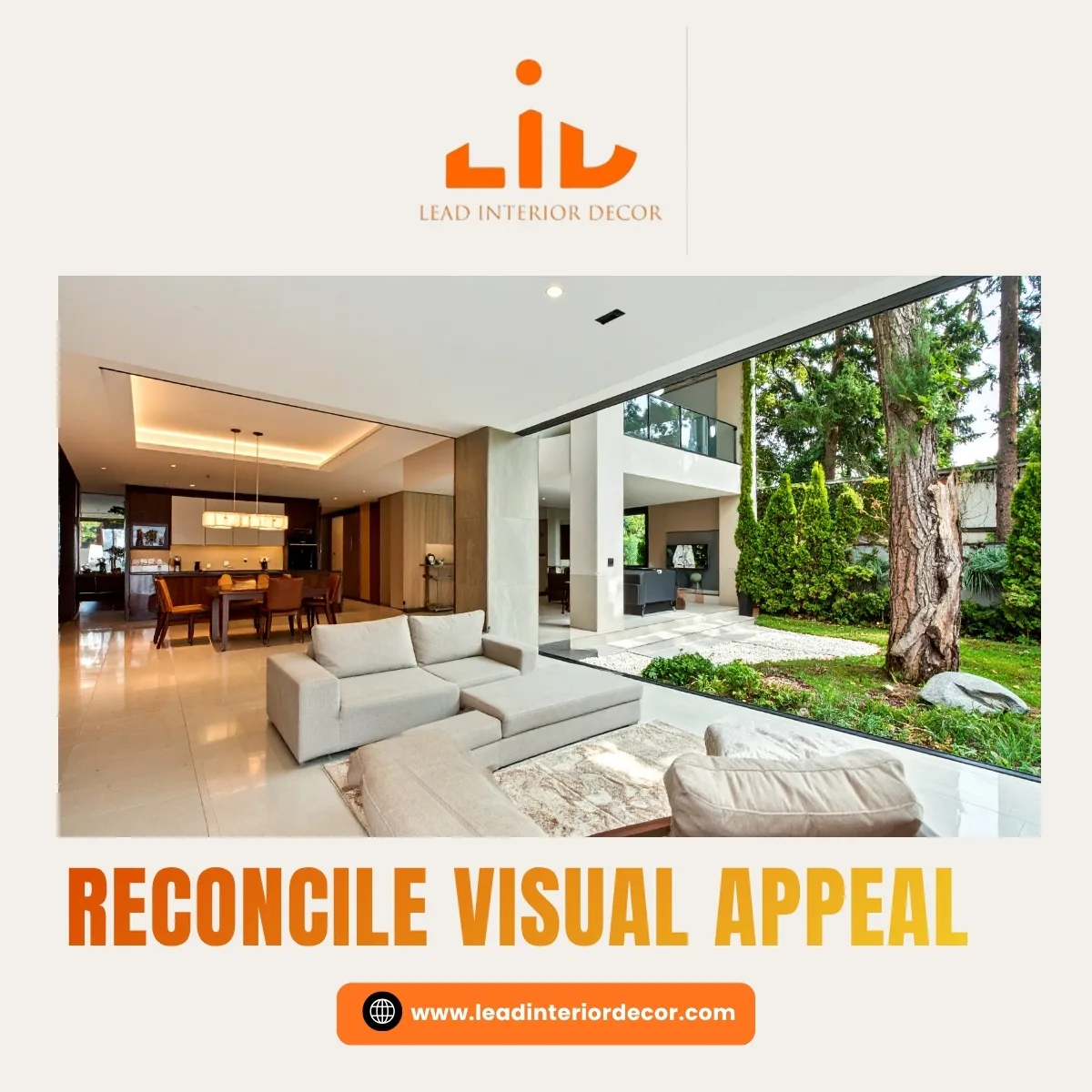
Interior design is no longer limited to decorating a space; it is a structured discipline that merges aesthetics, ergonomics, and functional planning to create environments that support human activity efficiently. Professionals often have to reconcile visual appeal while ensuring that every square meter serves a defined purpose without feeling overcrowded or underutilized. This balance becomes even more critical in urban settings where residential and commercial spaces are increasingly compact. Designers therefore operate at the intersection of creativity and spatial logic, ensuring that beauty does not compromise usability, and functionality does not diminish atmosphere.
Spatial Planning and Layout Efficiency
Effective spatial planning is the foundation of any successful interior project, and designers consistently reconcile visual appeal by starting with zoning strategies that define circulation paths, activity areas, and focal points. Through careful measurement and spatial analysis, they ensure that movement within a room feels natural and unobstructed. Open-plan layouts balance visual continuity with distinct functional zones via rugs, partitions, and lighting. This approach allows designers to maintain harmony between aesthetics and usability, ensuring that every element contributes to both form and function.
Lighting Design and Atmospheric Control
Lighting profoundly affects mood, depth perception, and spatial awareness, enhancing visual appeal effectively. Designers strategically combine natural light, ambient lighting, task lighting, and accent lighting to create layered illumination systems that enhance both beauty and practicality. For example, well-placed lighting can make a small room feel larger while also improving task efficiency in workspaces or kitchens. By controlling brightness, contrast, and shadow, designers are able to transform ordinary interiors into visually engaging yet highly functional environments that respond to user needs throughout the day.
Material Selection and Texture Balance
Material selection plays a crucial role in helping designers reconcile visual appeal with durability and maintenance considerations. Wood, stone, glass, and textiles are chosen for aesthetics, durability, and textural contrast. For instance, combining smooth finishes with rough natural textures creates visual richness while maintaining practicality. Designers balance aesthetics with cleaning, durability, and environmental considerations for lasting beauty.
Furniture Selection and Multi-Functional Design
Furniture planning is central to how designers reconcile visual appeal in compact or multifunctional spaces. Each piece is evaluated for scale, proportion, and adaptability to ensure it enhances the overall composition without cluttering the environment. Multi-functional furniture, such as foldable tables, modular seating, and storage-integrated units, allows spaces to serve multiple purposes without sacrificing style. This approach is especially relevant in modern apartments and office environments where flexibility is essential. By integrating form and utility, designers ensure that furniture contributes to both spatial efficiency and visual harmony.
AI-Assisted Design and Predictive Spatial Modeling
The emergence of digital tools has significantly transformed how professionals reconcile visual appeal through AI-driven spatial modeling and predictive design systems. Artificial intelligence can now analyze room dimensions, user behavior patterns, and ergonomic requirements to suggest optimized layouts before physical implementation. This raises an important question: how can designers best leverage AI without losing the human intuition that defines emotional and cultural resonance in interiors? AI-generated simulations help reduce trial-and-error during planning, but human oversight remains essential to ensure that spaces still feel authentic, livable, and emotionally engaging.
Lifestyle Integration and Personalized Design Solutions
Understanding client lifestyle patterns is essential when designers reconcile visual appeal with everyday practicality. Each design decision is informed by how occupants live, work, and interact within a space. For example, families may require durable, child-friendly materials, while professionals may prioritize quiet work zones and minimal distractions. Designers conduct detailed consultations and behavioral assessments to ensure that every layout reflects the user’s identity and functional needs. This personalization ensures that interiors are not only visually appealing but also deeply aligned with daily routines and long-term usability.
Conclusion
Ultimately, interior design succeeds when creativity and functionality exist in equilibrium, and professionals consistently reconcile visual appeal by blending technical planning with artistic vision. Through spatial optimization, lighting strategy, material intelligence, furniture adaptability, AI-assisted modeling, and lifestyle-centered customization, designers create environments that are both beautiful and highly efficient. For clients seeking professionally balanced and thoughtfully executed interiors, they should reach out to Lead Interior for expert guidance and tailored design solutions.
