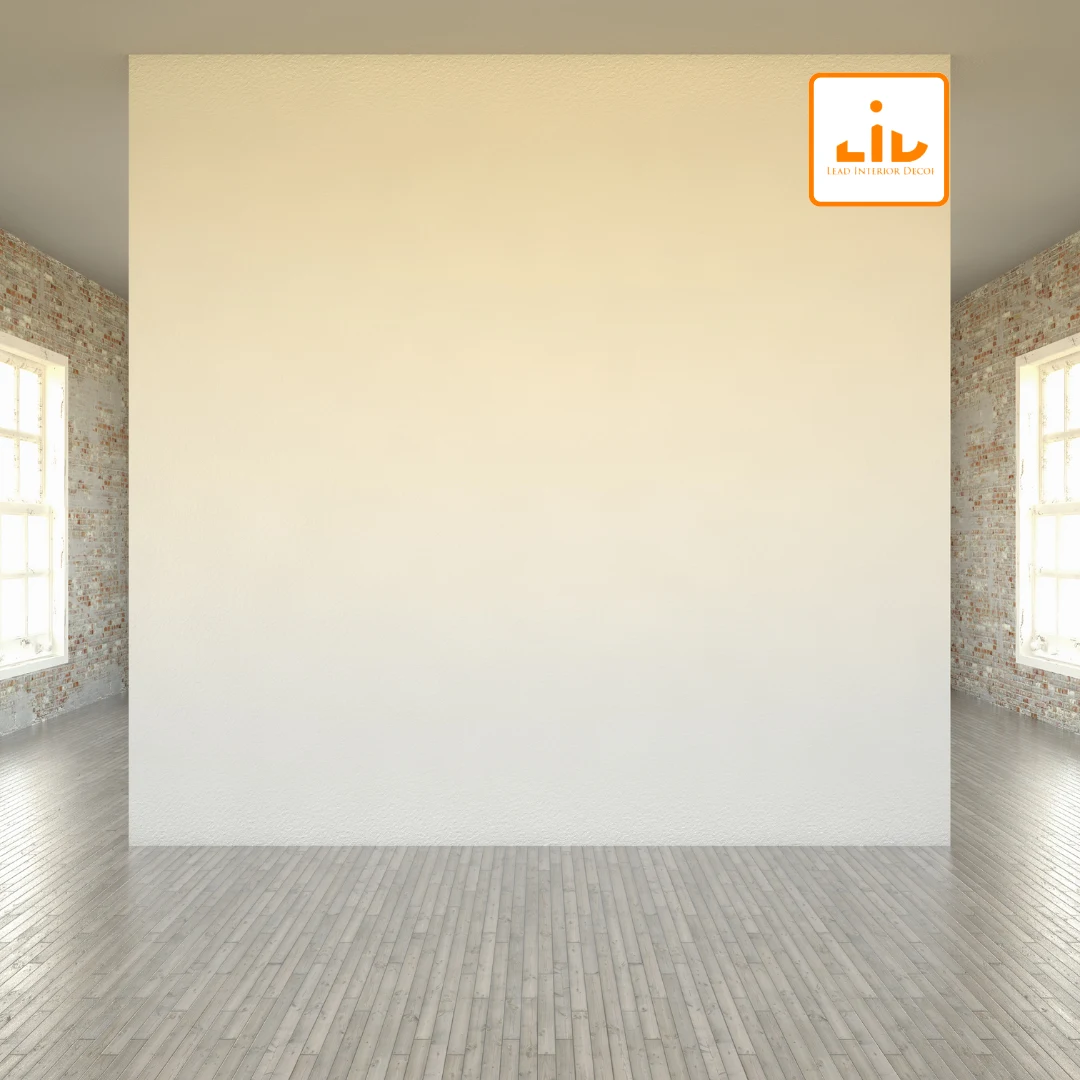
A large empty wall can feel intimidating, it often dominates a room and leaves the space feeling unfinished. The good news is that filling blank walls doesn’t require a complete renovation or a massive budget. With a thoughtful approach, you can turn that empty surface into a focal point that reflects your personality, enhances your décor, and improves the overall ambiance of your home or office. Whether you lean toward minimalism or love bold, expressive designs, there are countless ways to approach filling blank walls creatively and effectively.
Build a Stunning Gallery Wall
One of the most popular approaches to filling blank walls is creating a gallery wall. This involves arranging a collection of artwork, photographs, prints, or even personal memorabilia in a cohesive layout. The beauty of a gallery wall lies in its flexibility, you can mix frame styles, sizes, and colors to suit your taste.
To get it right, start by planning your layout on the floor before mounting anything. Maintain consistent spacing between frames and choose a unifying element, such as a color palette or frame material, to keep the arrangement visually balanced. Gallery walls are ideal for living rooms, hallways, or staircases where you want to tell a story through visuals.
Incorporate Oversized Art Pieces
If you prefer a clean and uncluttered look, oversized artwork is a powerful solution for filling blank walls. A single large painting or print can anchor the room and create a striking visual impact without overwhelming the space.
When selecting a piece, consider the room’s color scheme and existing décor. Abstract art works well in modern interiors, while landscapes or portraits may suit more traditional spaces. The key is to ensure the artwork is proportionate to the wall and furniture, too small, and it gets lost; too large, and it can feel overpowering.
Add Functional Wall Decor
Combining style with practicality is another smart way of filling blank walls. Functional wall décor includes shelves, mirrors, hooks, or mounted cabinets that serve a purpose while enhancing aesthetics.
Floating shelves, for example, allow you to display books, plants, or decorative items. Mirrors can make a room feel larger and brighter by reflecting light. This approach works particularly well in smaller spaces where maximizing utility is essential without compromising design.
Use Textures and Wall Treatments
Texture adds depth and character, making it an excellent option for filling blank walls. Instead of hanging items, you can transform the wall itself through treatments like wood paneling, wallpaper, wall molding, or textured paint.
These elements introduce a tactile dimension that enhances visual interest. For instance, a wood-paneled accent wall creates warmth, while geometric molding adds sophistication. This approach is perfect for those who want a polished and architectural look.
Create a Green Wall or Plant Display
Bringing nature indoors is a refreshing way of filling blank walls. Vertical gardens, hanging planters, or wall-mounted plant shelves can instantly breathe life into a space.
Plants not only improve air quality but also create a calming environment. Choose low-maintenance options like pothos, snake plants, or succulents if you’re new to indoor gardening. This idea works beautifully in living rooms, kitchens, and even office spaces.
Showcase Personal Collections or Statement Pieces
Your wall can become a reflection of your personality by showcasing collections or unique statement pieces. Whether it’s travel souvenirs, vintage items, or handcrafted art, this approach to filling blank walls adds authenticity and character.
The key is curation, avoid overcrowding by selecting pieces that complement each other. Arrange them thoughtfully to create a cohesive display that feels intentional rather than random.
Integrate Technology and Smart Displays
In today’s digital age, technology offers innovative solutions for filling blank walls. Smart TVs and digital frames can double as art displays, allowing you to rotate images or showcase curated artwork.
Here’s an interesting thought: Can AI-powered design tools automatically suggest the perfect wall arrangement based on your room’s layout and lighting? The answer is increasingly yes. Artificial intelligence is being integrated into interior design platforms to analyze spaces and recommend layouts, colors, and décor elements tailored to your preferences.
Conclusion
Filling blank walls is more than just a decorative task, it’s an opportunity to define the character and mood of your space. From gallery walls and oversized art to functional décor and greenery, each approach offers a unique way to transform emptiness into visual interest. The key is to align your choices with your personal style, the room’s purpose, and the overall design theme.
If you’re looking for professional guidance or a tailored interior solution, clients should reach out to Lead Interior for expert assistance in transforming their spaces with creativity and precision.
