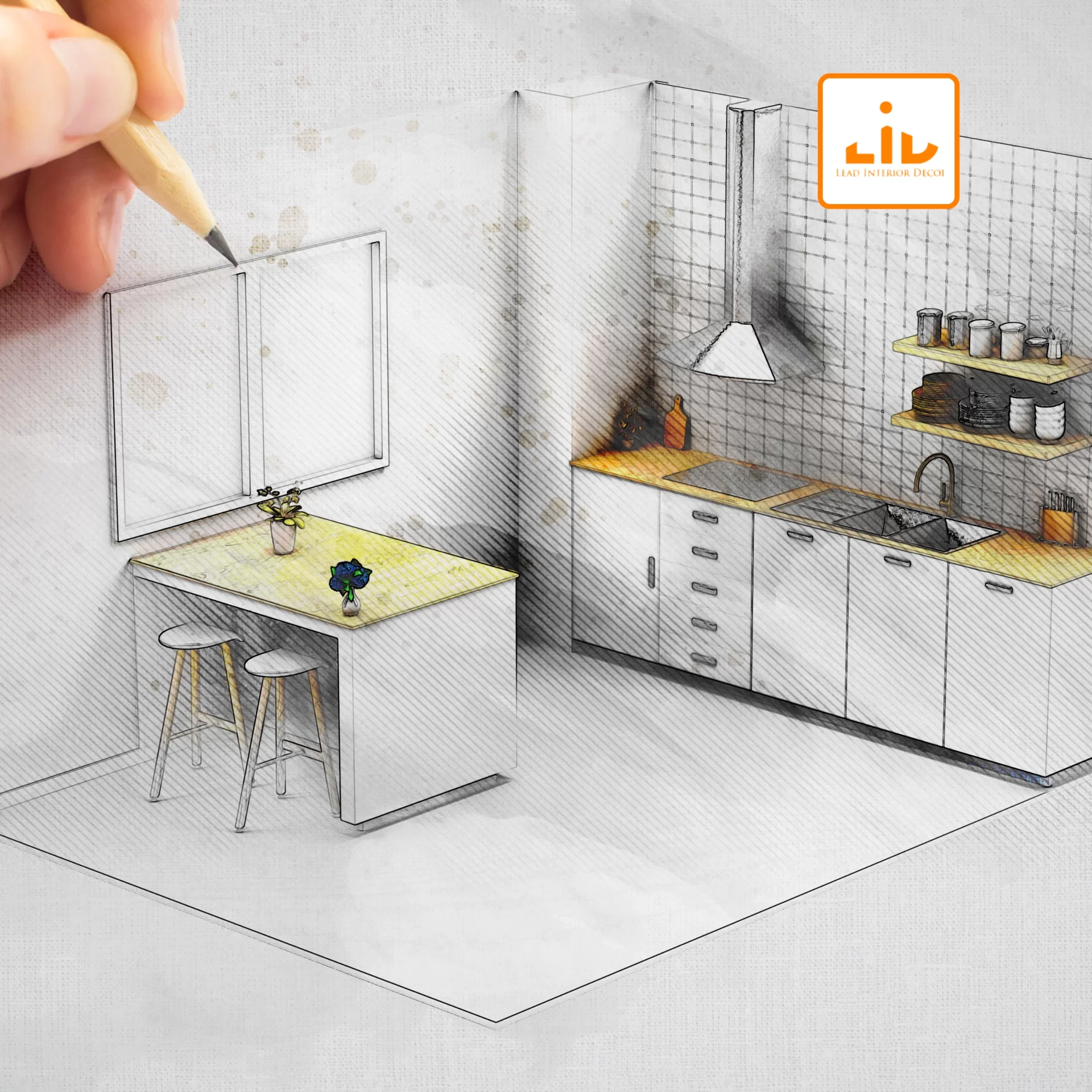
Planning and executing an interior design project can be an exciting journey for homeowners, businesses, and property developers. Whether the goal is to transform a residential living space, upgrade an office environment, or redesign a commercial property, the timeline involved is one of the most common questions clients ask before starting. While every project is unique, understanding the stages involved can help set realistic expectations and reduce stress during the process.
Several factors determine how long the process will take, including the size of the space, the complexity of the design, the availability of materials, and the level of customization required. Some projects may take only a few weeks, while others can extend over several months. In many cases, careful planning, professional coordination, and clear communication between designers and clients can significantly improve the efficiency of an interior design project.
With modern technology playing an increasing role in the design industry, tools such as AI-powered visualization and smart planning software are also helping designers streamline workflows and make decisions faster. But even with advanced technology, quality design still requires thoughtful planning and execution. Understanding the key phases of the process provides a clearer picture of how long an interior design project typically takes.
Initial Consultation and Planning
The first phase of an interior design project usually begins with an initial consultation between the client and the designer. This stage involves understanding the client’s vision, lifestyle needs, budget, and overall expectations for the space. During this period, designers often gather measurements, assess the layout, and discuss possible design directions.
This stage typically lasts between one and two weeks depending on the availability of both parties and the complexity of the requirements. For larger residential homes or commercial spaces, the planning stage may take longer because designers must carefully evaluate how each area will function.
Can artificial intelligence accelerate space planning and design concepts effectively today? While AI tools can assist with layout suggestions and visualizations, the expertise of professional designers remains essential for creating practical and aesthetically pleasing spaces.
By stage’s end, the interior design project’s foundation is set, guiding designer and client forward.
Concept Development and Design Presentation
Once the planning stage is complete, designers move into concept development. In this phase, they begin creating mood boards, selecting color schemes, proposing furniture styles, and presenting layout ideas that align with the client’s vision.
For many designers, this stage takes approximately two to three weeks. During this time, several design drafts may be created before the final concept is approved. Designers also present material samples, lighting ideas, flooring options, and decorative elements that will define the overall look of the space.
Clients are encouraged to provide feedback during this phase so that adjustments can be made early before procurement and installation begin. Making changes during the concept stage is much easier and more cost-effective than making modifications later in the process.
This creative stage is one of the most exciting parts of an interior design project because it transforms ideas into visual plans that clients can clearly understand.
Procurement and Material Sourcing
Post-approval, source and purchase necessary materials, furniture, fixtures, and decorative elements. This stage often takes between two and six weeks depending on supplier availability and shipping timelines.
Items such as custom furniture, imported lighting fixtures, specialized fabrics, and unique décor pieces may require longer lead times. Designers must coordinate with vendors, manufacturers, and logistics providers to ensure that everything arrives on schedule.
Technology is also transforming this phase. Many designers now use AI-assisted procurement systems to track inventory, predict delivery timelines, and recommend alternative materials when certain products are unavailable.
Efficient sourcing plays a major role in keeping an interior design project on schedule, especially when multiple suppliers are involved.
Implementation and Installation
The implementation stage is where the actual transformation begins. Contractors, carpenters, painters, electricians, and installers work together to bring the approved design to life.
Depending on the scope of work, this phase may take anywhere from two weeks to several months. A simple residential refresh involving paint, furniture placement, and décor updates may be completed relatively quickly. However, a large renovation that includes structural adjustments, custom cabinetry, or lighting installations will naturally take longer.
Proper coordination between the design team and contractors is essential during this stage. Delays can occur due to unexpected structural issues, changes in design decisions, or supply chain disruptions.
Despite these potential challenges, careful scheduling and experienced project management help ensure that the interior design project progresses smoothly.
Final Styling and Project Completion
The final stage focuses on styling and finishing touches. Designers carefully arrange furniture, install artwork, position decorative accessories, and adjust lighting to achieve the intended visual balance.
This stage usually takes between a few days and one week depending on the size of the space. Small details such as cushions, curtains, plants, and decorative accents often make the biggest difference in the final appearance of a room.
Clients typically conduct a walkthrough with the designer to ensure that everything meets expectations. Any minor adjustments are completed before the project is officially handed over.
At this point, the entire interior design project reaches completion, transforming the space into a functional and visually appealing environment.
Factors That Can Affect Project Duration
While the stages above provide a general timeline, several factors can influence how long a project takes.
First, the size of the property plays a major role. Designing a single room will obviously require less time than designing an entire home or office complex.
Second, the level of customization involved can extend the timeline. Custom-built furniture, specialized lighting installations, and handcrafted décor items often require additional production time.
Third, client decision-making speed can also impact progress. Quick approvals help keep the process moving, while delayed feedback may slow down certain stages.
Lastly, logistics and material availability can affect delivery schedules. Global supply chains sometimes experience delays that designers must work around.
Understanding these factors helps clients better appreciate the timeline of an interior design project and the planning required for successful execution.
Conclusion
An interior design transformation is more than just decorating a space—it is a structured process that involves planning, creativity, sourcing, and professional execution. From the initial consultation to the final styling stage, most projects take anywhere from four weeks to several months depending on the complexity, size, and customization involved.
While technology and AI tools are gradually helping designers work more efficiently, successful outcomes still rely heavily on experienced professionals who understand both aesthetics and functionality.
If you are considering starting an interior design project and want expert guidance from concept to completion, it is always best to work with professionals who understand the process and can deliver high-quality results.
For personalized assistance, professional consultation, and reliable execution, clients are encouraged to reach out to Lead Interior to begin transforming their spaces into beautiful and functional environments.
