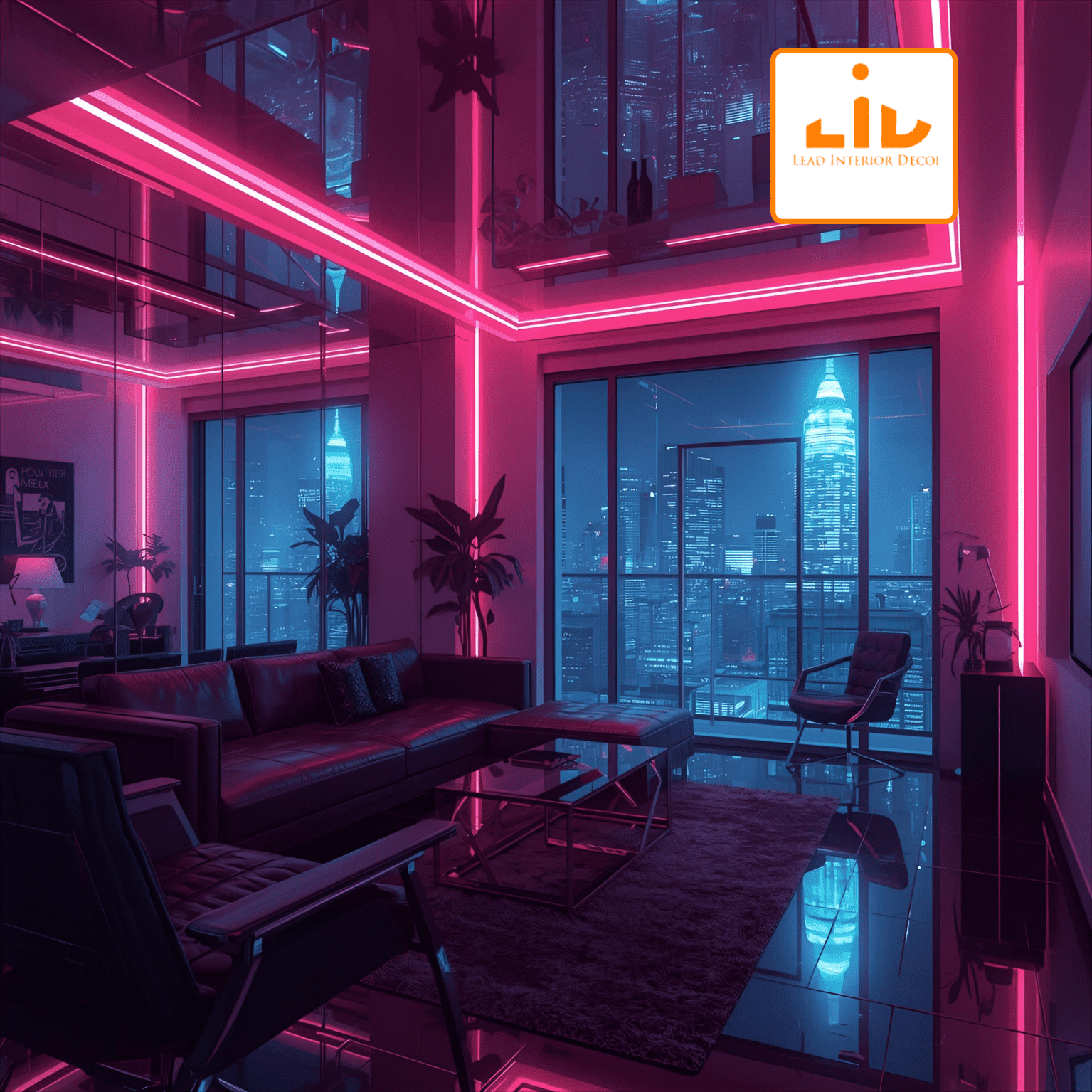
Lighting is one of the strongest tools for space transformation, improvement of ambiance, and functionality enrichment. Be it a home, office, or commercial space, lighting in interior design plays a vital role in achieving balance, mood, and visual appeal. With the technological developments of today, integrating lighting in interior design has grown from being a mere need to becoming an expressive design feature, and even AI now plays a huge role in the planning and automation of lighting.
Understanding the Role of Lighting in Interior Design
Before choosing fixtures or layouts, understand why incorporating lighting into an interior design forms the foundation of a well-curated space. Lighting defines colors, the feel of textures, and the function of a room. A gorgeously furnished room without proper lighting will be flat or even unappealing. AI-powered tools now allow designers to simulate lighting effects prior to installation, making design decisions more precise. With this in mind, an interesting AI-related question may be: Could artificial intelligence one day predict the perfect lighting scheme for every personality type?
Layering Lights for Depth and Functionality
A very important approach to lighting in interior design is layering. Layering includes, but is not limited to, three major types: ambient, task, and accent lighting. Ambient provides the general brightness of a room, task lighting serves functional activities such as reading and cooking, while accent lighting is used for art or architectural features. How the designer masters these layers creates visual depth and avoids shadows or uneven brightness. Lighting designers can also employ AI-driven lighting systems that automatically change brightness and tone based on the time of day to optimize comfort and energy efficiency.
Choosing the Right Light Fixtures
Choosing the fixtures is the prime part of incorporating lighting in interior design, for it dramatically affects the character of a room through shape, material, and size. Pendant lights create intimacy in dining areas, recessed lights offer clean minimalism, and chandeliers introduce elegance. It is important that fixtures match a room’s theme, whether modern, rustic, or industrial. Modern AI tools analyze room dimensions and furniture placement to recommend ideal fixture heights and placements, ensuring visual balance and harmony.
Making Use of Natural Light
Natural light is one of the most cost-effective means of incorporating lighting in interior design. Designers often place mirrors, glass doors, and reflective surfaces to bounce daylight deeper into a room. Understanding the movement of sunlight throughout the day helps in selecting window treatments and arranging furniture. While natural light can transform a space, designers also use smart blinds and AI-controlled sensors to regulate glare and heat, demonstrating how nature and technology can beautifully work together.
Using Colour Temperature Strategically
Color temperature plays a huge role in incorporating lighting in interior design, with warm lights creating a cozy feeling, and cool ones enhancing focus. In living rooms and bedrooms, warm lighting (2700-3000K) would be appropriate, whereas it would be cooler (4000K and above) for offices, kitchens, and workplaces. Adaptation to color temperature ensures that a room feels emotionally aligned with the purpose it is being put to. These days, AI-powered LED systems can make automatic color temperature adjustments, from warm evenings to cool mornings, to support human circadian rhythms.
Highlighting Architectural and Artistic Features
Accent lighting plays a significant role in incorporating lighting into the design when the aim is to draw the eye toward a piece of art, textures, or architectural features such as columns, wall niches, or panels. Spotlights, track lights, and wall washers help guide the eye to focal points. Designers also create dramatic contrasts with light and shadow, adding depth and sophistication to a room. With AI-controlled lighting, accent lights can be programmed to shift in intensity or direction, creating dynamic mood variations depending on the desired effect.
Considering Space and Proportions
Space planning is crucial in incorporating lighting into interior design, since the size and shape of a room will determine the type and number of lights required for it. High ceilings may require pendant or chandelier lighting, while low ceilings will work best with recessed or flush-mount lighting. Larger rooms may need more than one light source to avoid dark spots. AI-enhanced design software can now offer 3D simulations of how light distributes across a space and helps designers reduce errors and achieve perfect illumination.
Improving Mood and Atmosphere
The lighting bears on emotion, and therefore, this becomes an important element in integrating lighting into the interior design. Soft dimmable lights create a relaxed mood and are ideal for bedrooms and lounges. Brighter lights increase alertness in kitchens and workspaces. Integrating dimmers with LED strips or smart bulbs will enable any homeowner to change atmospheres instantly. More so, AI-driven mood lighting systems analyze user routines and preferences, setting optimal brightness and color tones for relaxation, productivity, or entertainment.
Energy Efficiency and Sustainability
The consideration of integrating lighting in interior design is first about energy efficiency. This is achieved by applying LED lighting, solar-powered fixtures, and motion sensors to reduce energy consumption without losing aesthetic appeal. Sustainable lighting use contributes to environmental protection and cuts electricity costs. AI tools further enhance the principle of sustainability by monitoring usage patterns for lighting and optimizing energy usage in rooms and at specific parts of the day.
Integrating Smart and AI-Powered Lighting Systems
Integrating lighting in interior design, with technological advancements in recent years, has come to the core of smart home innovations. AI-inclusive lighting systems will automatically adjust according to voice commands, occupancy, weather conditions, or even emotional cues. Such systems help in creating personalized lighting experiences and improve functionality. Whether it’s setting scenes for movie nights or optimizing brightness for reading, smart lighting elevates interior spaces to modern, user-friendly environments.
Conclusion
Lighting isn’t just a few fixture choices in interior design; it’s about harmony, mood enhancement, and functionality. While AI continues to revolutionize the industry, designers now can have more advanced tools for precision, creativity, and efficiency. Want to redesign a home, upgrade a commercial space, or explore smart lighting? It all begins with understanding how light shapes experience. For professional lighting and interior design solutions or any other expert advice or personalized solutions, clients should get in touch with Lead Interior.
