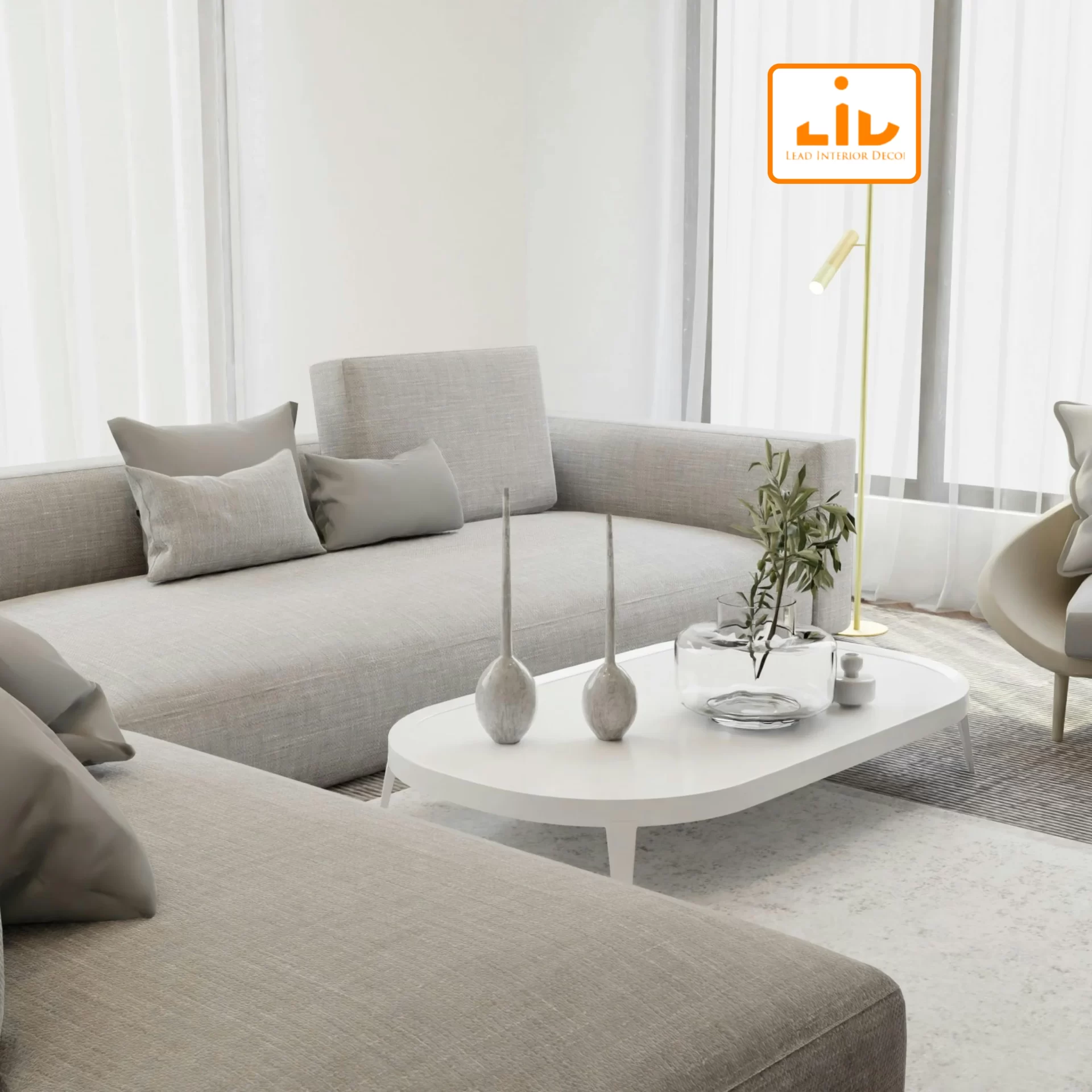
Designing a small living room can feel like solving a puzzle. You want comfort, functionality, and style, but without overcrowding the space. The truth is, thoughtful planning makes all the difference. Whether you live in a compact apartment or a cozy home, mastering big or small furniture arrangement is the key to transforming limited square footage into a balanced and inviting space. With the right layout strategy, even the smallest room can feel open, breathable, and beautifully organized.
Start with a Clear Layout Plan
Before moving a single chair or sofa, assess your space carefully. Measure the room’s dimensions, note the position of windows and doors, and identify natural focal points such as a television wall or feature décor. When planning big or small furniture arrangement, understanding proportions is critical.
Sketch a simple floor plan, either on paper or digitally, to experiment with placement before committing physically. This reduces trial-and-error frustration and prevents damage to walls or furniture. Think about traffic flow. Can people move comfortably from one end of the room to the other? If the layout restricts movement, it will feel cramped no matter how beautiful the furniture looks.
Choose the Right Furniture Scale
One common mistake in small living rooms is selecting oversized furniture. A bulky sectional may look luxurious in a showroom, but it can overwhelm a compact space. Smart big or small furniture arrangement starts with choosing pieces that fit the room’s scale.
Opt for slim-arm sofas, armless chairs, and compact coffee tables. Furniture with exposed legs creates a sense of openness because light can pass underneath. Avoid heavy, boxy designs that visually shrink the space. Instead, choose pieces that feel proportional and airy.
Multifunctional furniture is especially useful, think storage ottomans, nesting tables, or foldable desks. These pieces reduce clutter while maximizing usability.
Prioritize Function Over Quantity
In small living rooms, less truly is more. Rather than squeezing in multiple chairs or side tables, focus on essential pieces that serve a clear purpose. A successful big or small furniture arrangement balances comfort with practicality.
Ask yourself:
- How many people regularly use this room?
- Do I need space for entertaining?
- Is this area also serving as a workspace?
Once you define the room’s function, eliminate unnecessary items. A streamlined space feels larger and more welcoming. Remember, negative space, areas left intentionally open, is just as important as the furniture itself.
Create a Strong Focal Point
Every well-designed living room needs a focal point. It could be a TV unit, artwork, a statement wall, or even a stylish rug. Organizing your big or small furniture arrangement around a central feature helps the room feel cohesive rather than scattered.
Position your sofa facing the focal point, then arrange complementary seating to support conversation. Avoid pushing all furniture against the walls automatically. Sometimes floating a sofa slightly away from the wall can make the room feel more dynamic and intentional.
Use Corners and Vertical Space Wisely
Small rooms require strategic thinking. Corners are often underutilized but can be perfect for compact shelves, floor lamps, or accent chairs. Smart big or small furniture arrangement considers both horizontal and vertical space.
Install wall-mounted shelves instead of bulky cabinets. Use tall, narrow bookcases rather than wide ones. By drawing the eye upward, you create the illusion of height. Mirrors are also powerful tools, they reflect light and make the room appear more expansive.
Vertical storage reduces clutter on the floor, making the room feel less congested and more breathable.
Maintain Proper Spacing and Balance
Even in small rooms, spacing matters. Leave at least 18 inches between a coffee table and sofa for comfortable movement. Avoid cramming furniture too tightly together. A thoughtful big or small furniture arrangement always considers balance.
Symmetry can create visual calm. For example, placing matching lamps on either side of a sofa establishes harmony. However, asymmetry can also work if balanced properly, such as pairing a sofa with a single statement chair and a side table.
Keep pathways clear. When movement flows naturally, the room feels bigger than it actually is.
Play with Light and Color
Light and color significantly influence how furniture feels within a space. Lighter shades reflect natural light, making a small living room appear larger. In planning big or small furniture arrangement, consider how color interacts with layout.
Neutral-toned sofas, glass coffee tables, and light-colored rugs can visually expand the room. If you love bold colors, introduce them through cushions, artwork, or throws rather than oversized furniture pieces.
Layer lighting strategically, combine overhead fixtures, floor lamps, and table lamps to eliminate dark corners. Well-lit spaces always feel more open and inviting.
Consider AI Tools for Smarter Design Decisions
Today, technology makes design easier than ever. Some homeowners now use AI-powered room planners to test layouts before purchasing furniture. When approaching big or small furniture arrangement, digital tools can simulate spacing, scale, and design compatibility.
Have you ever wondered how AI could instantly generate multiple layout options tailored to your room’s exact dimensions? AI-based design tools can analyze measurements and suggest optimized arrangements in seconds, helping you avoid costly mistakes.
While technology is helpful, professional expertise ensures that design choices align with your lifestyle, aesthetic goals, and budget.
Add Personality Without Clutter
A small living room should still reflect your personality. Decorative elements such as artwork, textured cushions, indoor plants, and statement rugs enhance the aesthetic. However, in big or small furniture arrangement, moderation is essential.
Instead of multiple small décor items, choose fewer but impactful pieces. A large artwork can make a bold statement without consuming floor space. Plants add warmth and freshness without overwhelming the layout.
The goal is to create a cozy, stylish environment that feels intentional, not overcrowded.
Conclusion
Arranging furniture in a small living room requires planning, balance, and thoughtful decision-making. From choosing appropriately scaled pieces to optimizing vertical storage and maintaining proper spacing, every detail contributes to the overall harmony of the space. Mastering big or small furniture arrangement allows you to transform even the most compact room into a functional, elegant living area that feels larger than it truly is.
If you want expert guidance tailored to your home, lifestyle, and design goals, reach out to Lead Interior today. Their professional team can help you create a beautifully arranged living room that maximizes comfort, style, and space efficiency.
